 TTS GLOBAL
TTS / SERVICE GUIDE
CE Marking Support: EU Requirements, Testing & Technical File
Connect product requirements, test evidence and technical documentation.
Request a quote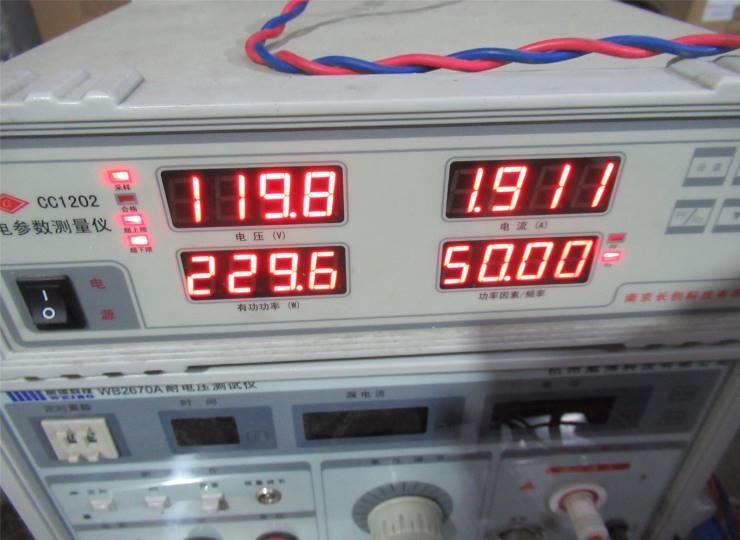
01 / WHEN TO USE IT
Europe
- You are introducing a new product to the European market.
- The product design, intended use or model range has changed.
- Existing technical documentation contains gaps or conflicting information.
Understand the service in detail
Preparing a product for Europe starts with understanding the product and the requirements that apply to it. CE marking support connects that review with testing, technical documentation and the relevant conformity-assessment steps. TTS helps organise the project so that missing information becomes visible before an application or market launch. The route depends on the product category and intended use; not every product requires CE marking, and not every CE-marked product requires a notified body. The agreed project scope identifies the work and responsibilities for your particular product.
- 01Classify the product→
- 02Applicable EU legislation→
- 03Technical evidence→
- 04Manufacturer’s EU declaration
A scope guide; the actual methods and criteria are agreed for the project.
02 / A CLOSER LOOK
Build the technical file around the actual product.
Open a checkpoint to see the evidence recorded and how it informs your decision.
01Product and regulatory scope
Record intended use, construction, operating characteristics, model variants and destination. Identify the applicable directives or regulations.
Electrical safety, electromagnetic compatibility, radio functions and restricted substances may create different evidence needs. A CE logo is not the starting assessment.
02Standards and assessment route
Review relevant harmonised standards, their applicability and the conformity route under the product legislation.
A standard number must match the product and requirement. Determine whether a notified body is required for that route.
03Technical-file consistency
Connect drawings, bill of materials, risk information, test reports, instructions and labels to the same product version.
A report for a different power supply, construction or model needs a documented relevance review before inclusion.
04Declaration and ongoing control
Clarify who signs the EU Declaration of Conformity and how changes to components, software or intended use are reviewed.
A file assembled once can become incomplete after a product change. Keep the marketed configuration aligned with its evidence.
ILLUSTRATIVE EXAMPLE
A supplier sends a “CE certificate” for a different model.
- !
The situation
The document refers to a different product model.
- ◎
What to record
Check the actual product, issuer, assessment route and underlying evidence.
- ↗
The next decision
Resolve the model and evidence gaps before relying on the document.
Read the full scenario
Illustrative example: the buyer receives a document titled “CE certificate”, but its model reference differs from the product, and the supporting reports are unavailable. Start by identifying the actual product and assessment route, then check the issuer, document scope and underlying evidence. The document title alone cannot establish that the manufacturer’s conformity obligations have been completed.
03 / STANDARDS & REQUIREMENTS
The rule.
The scope.
The evidence.
Applicability and editions are confirmed for your product, market and project date.
LVD 2014/35/EU / EMC 2014/30/EU / RED 2014/53/EU
Examples of EU product legislation considered according to electrical characteristics and radio functions. These are not a universal three-test package.
Official source & scopeRoHS / IEC 63000
Restricted-substance evidence may form part of the technical documentation for applicable electrical products.
Official source & scopeEU Declaration of Conformity / technical file
The manufacturer’s assessment, supporting documentation and declaration must correspond to the applicable legislation and actual model.
Official source & scope04 / THE WORKING PROCESS
From your brief
to your next step.
01Prepare the brief
Send the product description, model range, intended use and available technical documents.
02Start the work
Agree the applicable route, responsible parties and a list of evidence gaps.
03Examine & record
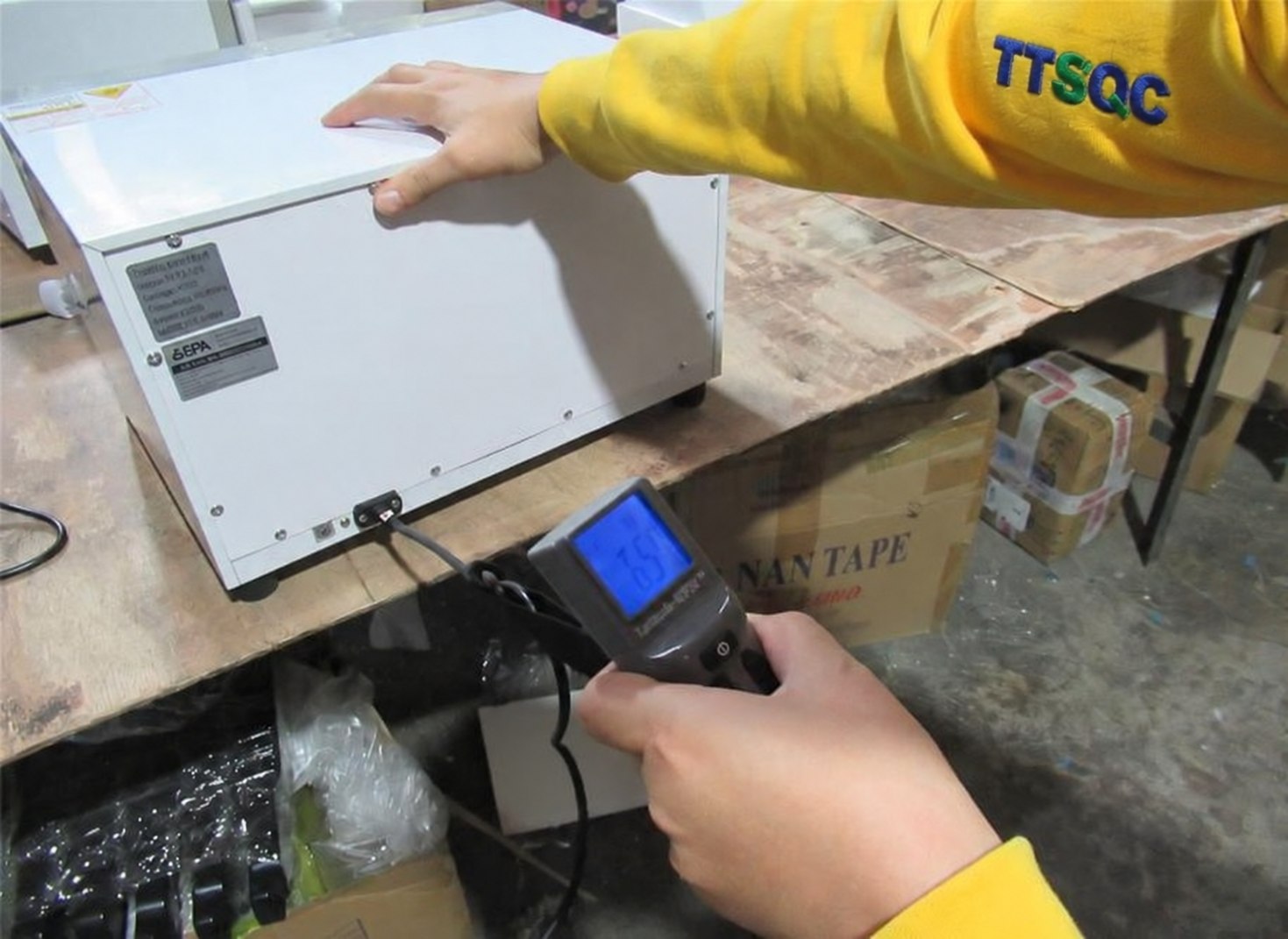
Coordinate the agreed tests and document preparation, resolving inconsistencies in product identification.
04Review & follow up
Review the completed project items and the remaining actions for the manufacturer before market placement.
Content guide; the agreed service determines the final deliverable.
05 / YOUR DELIVERABLE
A basis for
your next decision.
A defined documentation and testing plan, plus application coordination where required.
How to use the result
The project provides an organised route and the agreed supporting work. CE marking expresses the manufacturer’s responsibility for conformity; a test report or consultancy document alone does not replace the full applicable assessment and declaration process.
06 / Discuss your project
What to send for a quotation
- Product model list, photographs, intended use and destination.
- Drawings, bill of materials, instructions and existing test reports where available.
- Manufacturer details, planned launch date and known document or testing gaps.
Practical questions
Do I always need a third-party CE certificate?
No. The applicable legislation determines the route and any notified-body involvement. The manufacturer remains responsible for conformity and the required declaration.
Can a component change require new testing?
Review whether the change affects the applicable requirements and existing evidence. The answer depends on the component, construction and test coverage, not only on whether the model name changed.
Do all products need a CE certificate from a third party?
No. The applicable product rules determine whether CE marking is required and whether a notified body must participate. Confirm the product-specific route first.