Inspection
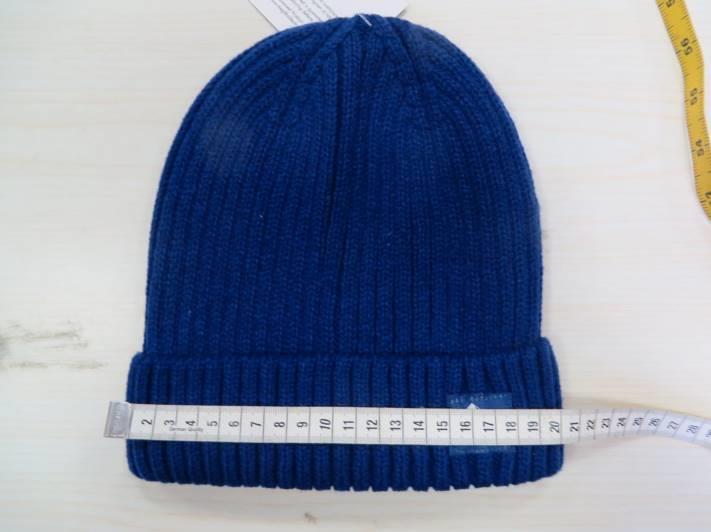
Garment inspection: turn the size chart into an evidence trail
Connect fabric, workmanship, measurements and packing checks to the actual style, colour and size being shipped.
Read the article TTS GLOBAL
Quality Blog
Practical TTS reading on inspection, AQL sampling, factory audits, product testing, certification and AI report review.
Inspection
Connect fabric, workmanship, measurements and packing checks to the actual style, colour and size being shipped.
Read the articleProduct testing
REACH is the EU regulation on the registration, evaluation, authorisation and restriction of chemicals. For finished articles, compliance is not one universal test: the material, substance, concentration, use and supply-chain duties determine the required evidence.
Read the article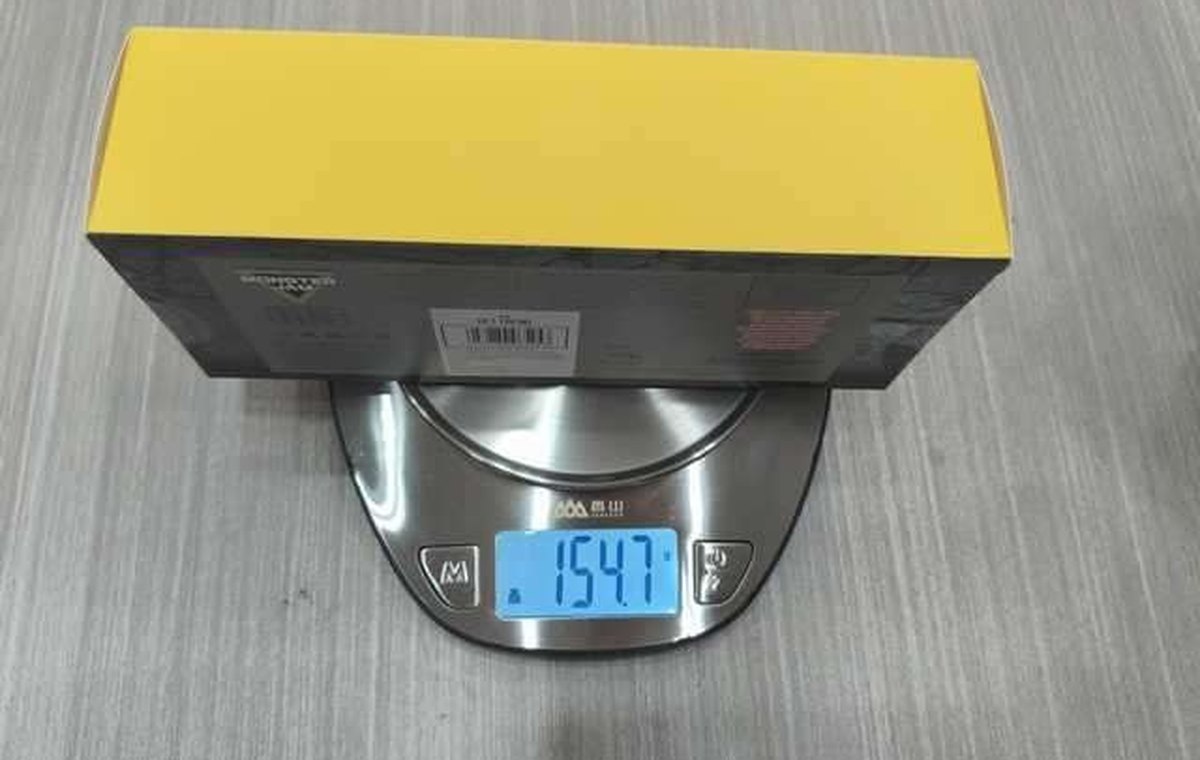
Inspection
Use lot size, readiness, payment point, product risk and timing to decide whether FRI fits.
Read the article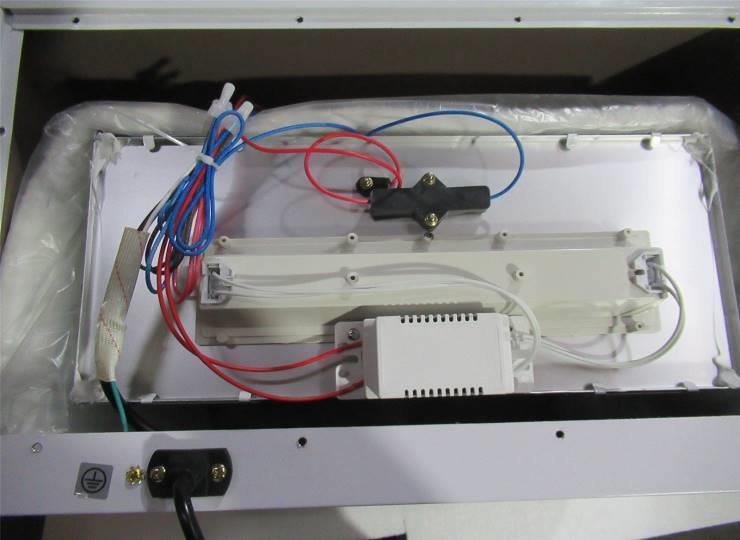
Inspection
Define test modes and model differences before treating a power-on check as evidence of product performance.
Read the articleProduct testing
RoHS restricts specified hazardous substances in electrical and electronic equipment. Compliance is generally assessed at homogeneous-material level, not only as a whole-product average. Most restricted substances use a 0.1% limit and cadmium generally 0.01%, subject to scope and exemptions.
Read the article
AQL & sampling
Understand lot size, code letter, sample size, Ac/Re and the final lot decision.
Read the articleInspection
Build a shoe-specific checklist from the materials, construction and intended use.
Read the articleProduct testing
CPSIA is the US Consumer Product Safety Improvement Act. It strengthened requirements for lead, phthalates, toy safety, tracking labels, third-party testing and certificates for children’s products, generally those designed or intended primarily for children 12 or younger.
Read the article
Certification
Testing produces data; certification and market access also involve applicability, files, responsible parties and ongoing compliance.
Read the articleInspection
Evaluate the filled package and its dispensing system under the intended storage and use conditions.
Read the articleProduct testing
California Proposition 65 requires a clear and reasonable warning when a business causes exposure to a listed carcinogen or reproductive toxicant above an applicable safe-harbour level. It is not one universal product test or certification.
Read the article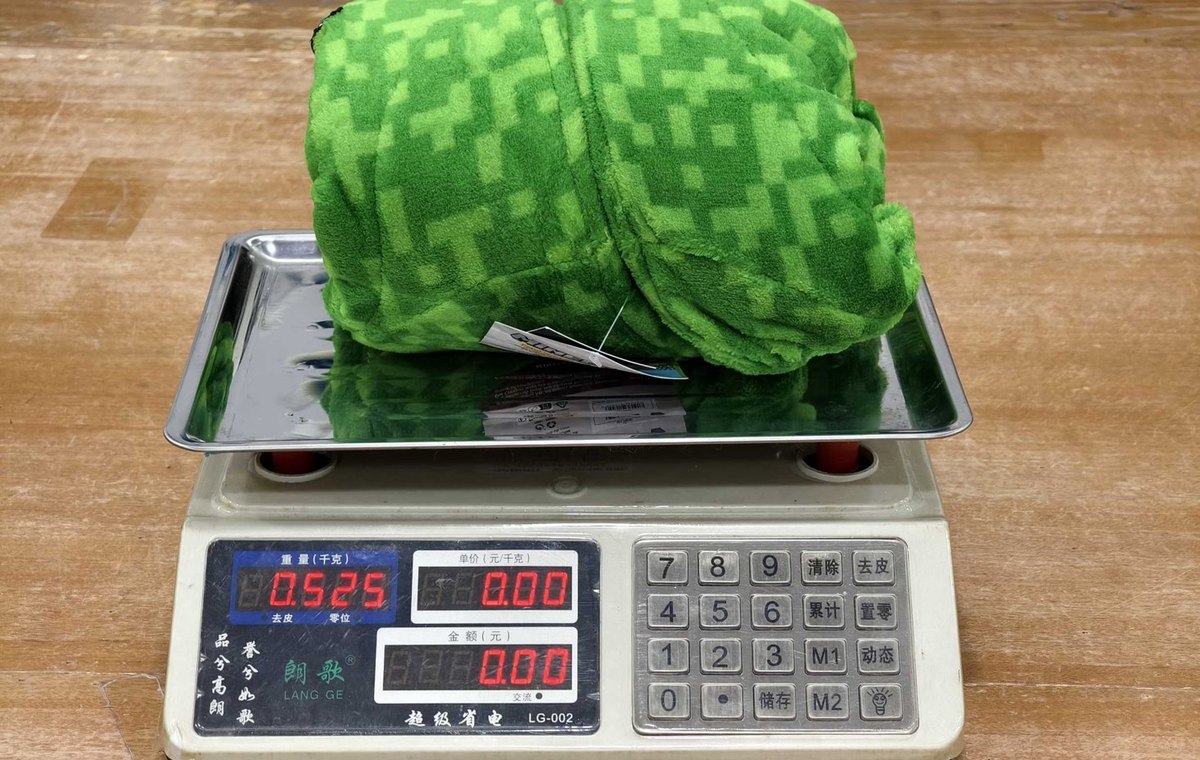
Report review & AI
Read conditions and scope first, then trace the result back to quantities, defects, tests, data and photos.
Read the article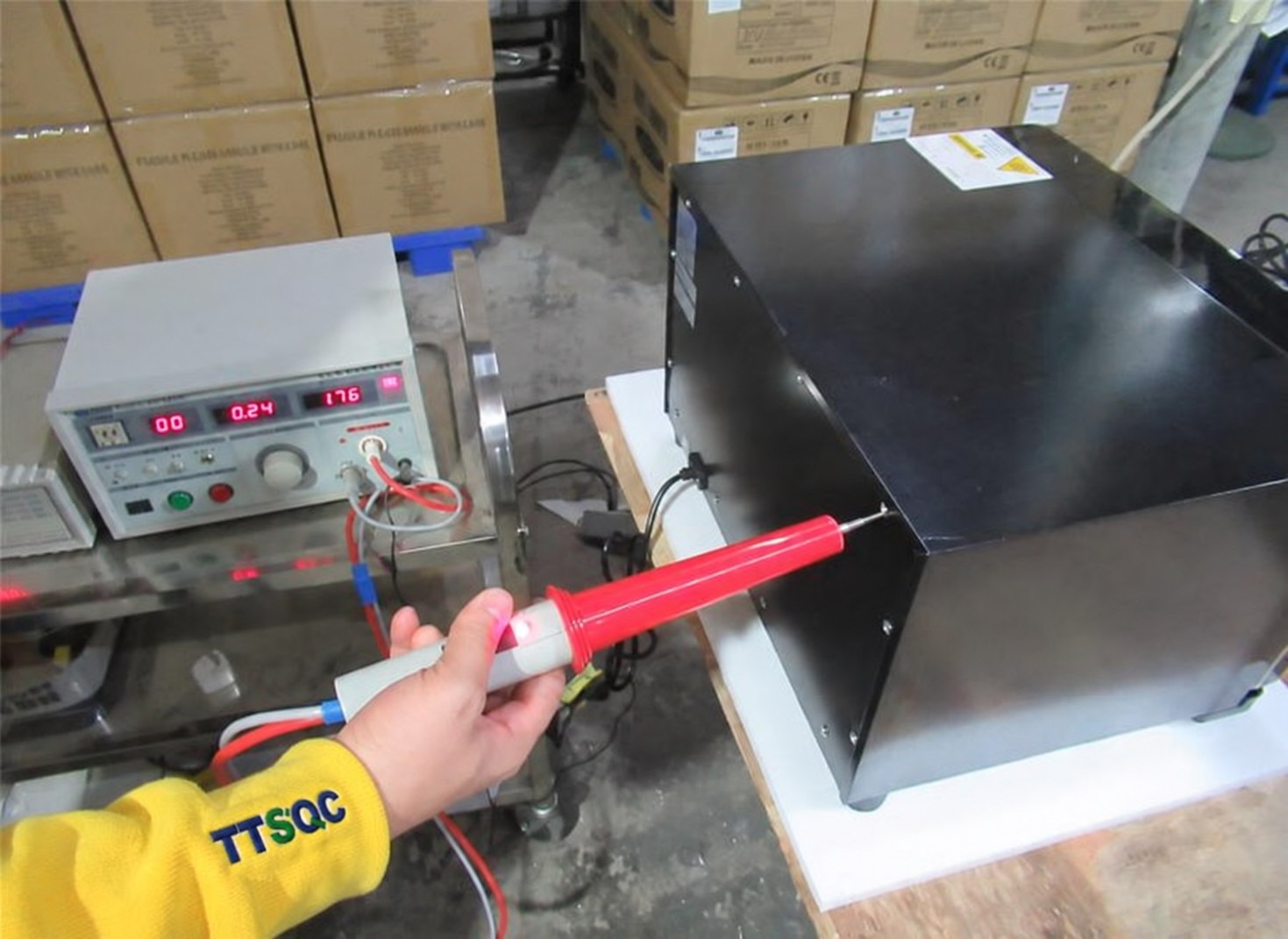
Inspection
Coordinate electrical checks, performance measurements, markings and factory test capability.
Read the articleProduct testing
EN 71, also commonly searched as EN71, is a European toy-safety standards series used to support assessment of parts of the EU toy-safety requirements. Common parts cover mechanical and physical properties (Part 1), flammability (Part 2) and migration of certain elements (Part 3), with other parts for specific toy types and hazards.
Read the article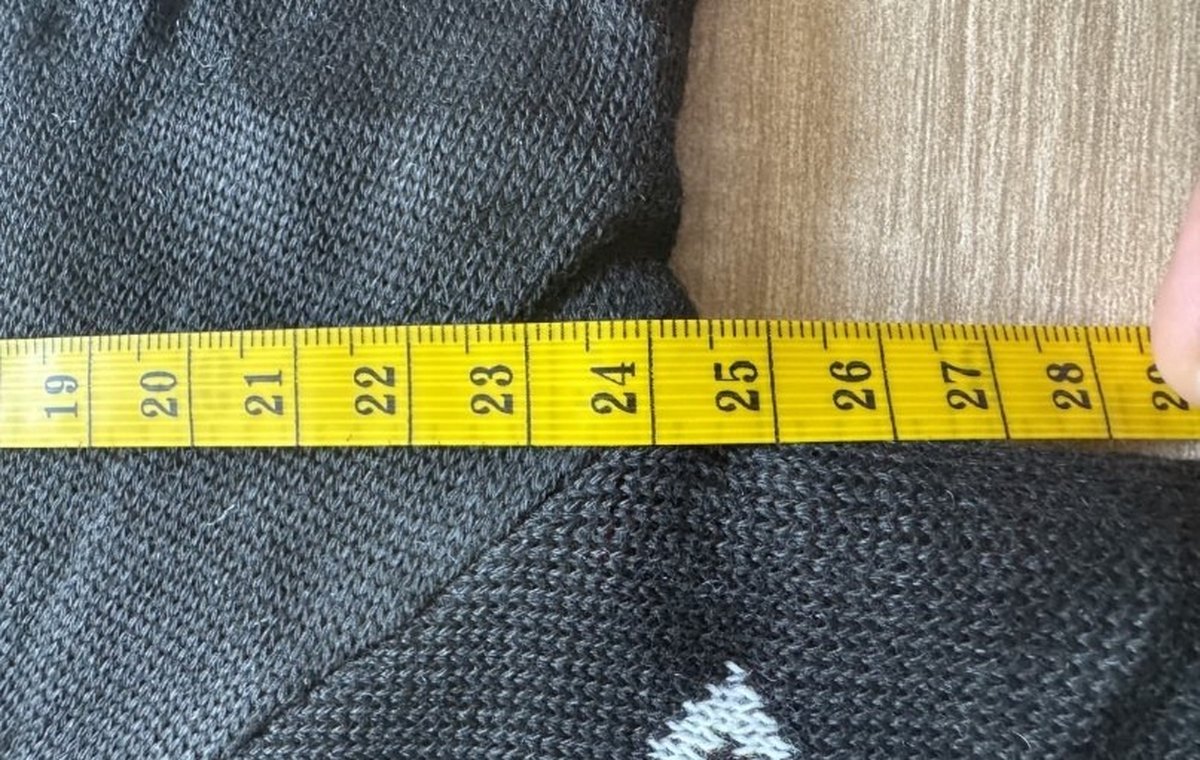
Factory audits
Turn one finding into ownership, cause, action, verification and trend instead of asking the factory to “be careful”.
Read the article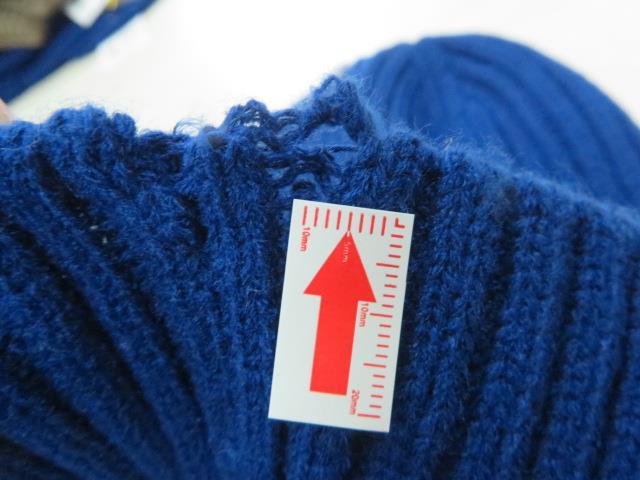
AQL & sampling
Defect severity, counting rules and acceptance criteria need to be agreed before samples are inspected.
Read the articleProduct testing
ASTM F963 is the US toy-safety specification incorporated as a mandatory CPSC rule through 16 CFR Part 1250. It covers mechanical, physical, flammability, toxicology, heavy-metal, battery, magnet, acoustic and product-specific hazards.
Read the article
Report review & AI
Rules handle deterministic checks, models interpret text and photos, and people own facts and final accountability.
Read the article
Inspection
Use production readiness and decision deadlines to choose inspection timing.
Read the articleProduct testing
ISO 8124 is an international toy-safety standards series covering mechanical and physical properties, flammability, migration of certain elements and other toy hazards. Countries may adopt it with different editions or national deviations.
Read the article
Inspection
Check raw materials, components, approved samples and production readiness with TTS before mass production starts.
Read the article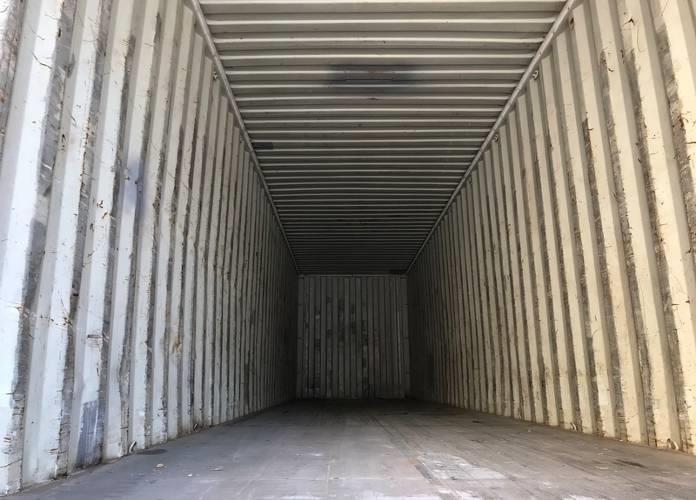
Inspection
Compare the goods before transport with their received condition using consistent batch and packaging identifiers.
Read the articleProduct testing
EU food-contact materials are governed by the framework Regulation (EC) No 1935/2004: under intended use, materials must not transfer constituents at harmful levels or unacceptably alter food. GMP applies broadly, with specific rules for materials such as plastics.
Read the article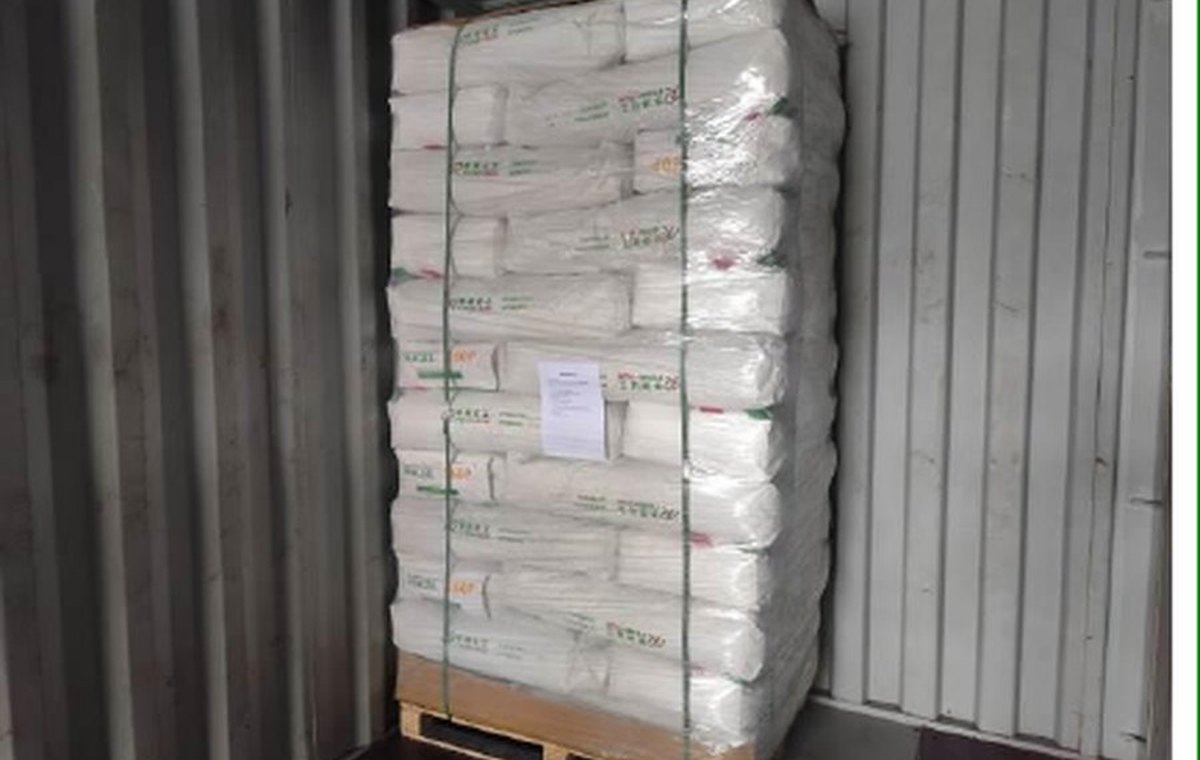
Inspection
TTS container loading supervision checks container condition, carton counts, cargo identification, loading records and seal details.
Read the article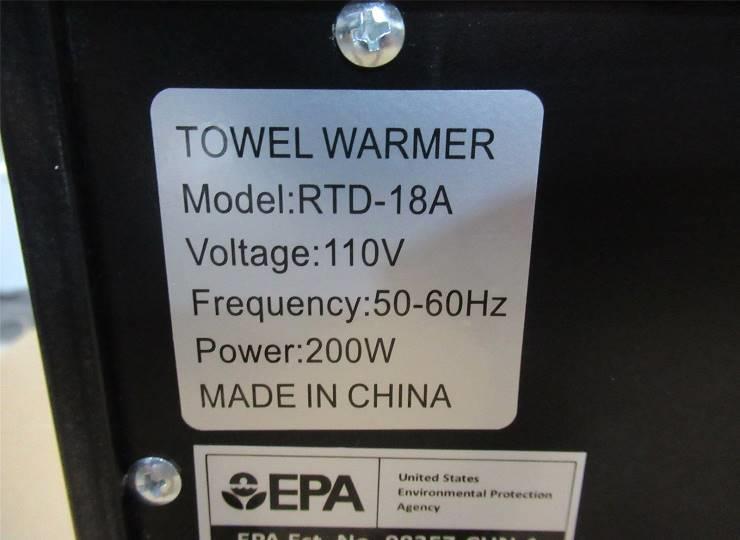
Inspection
Keep approved samples, artwork, materials and changes connected to each production order.
Read the articleProduct testing
US food-contact compliance first confirms that every component has a lawful basis for its intended use, such as an applicable 21 CFR provision, effective FCN, GRAS status, prior sanction or other route. Testing can support evidence but does not create an authorisation.
Read the article
Factory audits
TTS factory audits examine manufacturing capacity, IQC/IPQC/FQC controls, traceability, calibration and corrective actions for supplier qualification.
Read the article
Inspection
Work backwards from the selling window to schedule samples, testing, production checks and reinspection.
Read the articleProduct testing
LFGB is the German Food and Feed Code. Food-contact products are assessed together with EU framework rules, German provisions and relevant BfR recommendations. The commercial phrase “LFGB certification” usually means testing or an assessment, not one government certificate.
Read the article
Product testing
Plan RoHS testing by homogeneous material, with IEC 62321 methods, XRF screening and technical-documentation support for electrical products.
Read the article
Factory audits
Create a documented handover from supplier selection to the first production order.
Read the articleProduct testing
IEC publishes international electrotechnical standards; EN adoptions can include European differences. Electrical safety is not one generic test: the product standard addresses shock, heat, fire, mechanical, energy, insulation, abnormal-operation and construction risks.
Read the article
Certification
Clarify EAC product classification, applicable TR CU/TR EAEU regulations, applicant, certification or declaration route and technical documents.
Read the article
Factory audits
Compare observed output, available working time and current commitments with the proposed order.
Read the articleProduct testing
EMC addresses whether equipment controls electromagnetic disturbance and remains sufficiently immune in its intended environment. Products with radio transmitters generally also require assessment under EU radio-equipment rules for spectrum, radio performance, safety, EMC and other applicable requirements.
Read the article
Product testing
Plan ISTA packaging tests around distribution hazards, packed-product configuration, drop, vibration, compression and damage criteria.
Read the article
Factory audits
Define each metric, its denominator and the action it should trigger before assigning a score.
Read the articleCertification
UL develops standards and provides certification services. Certain electrical products used in US workplaces may require certification by an OSHA-recognised Nationally Recognized Testing Laboratory (NRTL). “UL certification” should distinguish the standard, report, listing/recognition and actual certification body.
Read the article
Factory audits
Use inspection trends, delivery records and previous commitments to structure a useful review.
Read the articleProduct testing
ISO, EN and ASTM are standards systems or organisations, not one universal test package. The correct method follows intended use, failure modes, client specifications, target market, industry practice and agreed acceptance criteria.
Read the article
Factory audits
Choose a small set of meaningful process changes and follow their effect on later production.
Read the articleProduct testing
ISTA procedures evaluate the packaged-product system under handling and distribution hazards. Series 1 provides integrity screening, Series 2 partial simulation, Series 3 general simulation and some Series 6 projects address specific channels. Selection follows package weight and distribution system.
Read the article
Factory audits
Assess quality, delivery, continuity and compliance with a documented basis for each conclusion.
Read the articleProduct testing
ASTM D4169 is a practice for performance testing of shipping containers and systems using distribution cycles, assurance levels and hazard sequences. The plan must represent the actual distribution system rather than applying one cycle to every package.
Read the article
Report review & AI
Connect customer reports with batch identity, inspection evidence and a verified corrective action.
Read the articleCertification
“CE certification” is a common commercial phrase; the more accurate concept is CE marking and EU conformity assessment. CE is not one certificate issued by the EU. The manufacturer declares compliance with all applicable EU harmonisation legislation, involving a notified body only when the legislation requires it.
Read the article
Report review & AI
Make photographs useful for review by connecting the image to the product and the question being investigated.
Read the articleCertification
UKCA is the UK conformity mark for certain product rules in England, Scotland and Wales. Great Britain continues to recognise CE for many products and offers UKCA routes, but sector rules, Northern Ireland and medical devices can differ and require product-specific review.
Read the article
Factory audits
Use inspection findings to improve the process while retaining evidence for each shipment decision.
Read the articleCertification
FCC equipment authorisation controls harmful interference from radio-frequency devices in the US. Depending on the device, the route can be Certification or Supplier’s Declaration of Conformity (SDoC); radio transmitters commonly require Certification while some unintentional radiators use SDoC.
Read the article
Inspection
Compare who performs the check, whose requirements apply and how evidence is reviewed.
Read the articleCertification
Innovation, Science and Economic Development Canada manages radio and communication-equipment compliance. Radio devices generally require testing and certification to applicable RSS specifications, while digital apparatus can involve ICES requirements.
Read the articleCertification
CCC is China’s compulsory product-certification system. Products within the current catalogue and scope must follow the applicable certification or self-declaration route and marking rules before manufacture, sale, import or other commercial use.
Read the articleCertification
PSE is Japan’s compliance-marking system under the Electrical Appliances and Materials Safety Act. Regulated products are split into specified and non-specified categories. The Japanese manufacturer/importer handles notification, technical compliance, inspection and records; specified products require a registered CAB.
Read the articleCertification
KC is Korea’s national conformity mark used across product-safety, radio, EMC and other schemes. It is not one universal certificate: the authority, law, certification/confirmation type and Korean applicant depend on the product.
Read the articleCertification
The RCM indicates compliance with applicable Australian/New Zealand electrical-safety, EMC, radio or telecommunications rules. The responsible supplier determines requirements, holds evidence, completes required registration and applies the mark.
Read the articleCertification
BIS is India’s national standards body. Product conformity can use the ISI-mark licence, Compulsory Registration Scheme (CRS), Foreign Manufacturers Certification Scheme (FMCS) or other schemes. Mandatory scope follows current Quality Control Orders and official lists.
Read the articleCertification
The IECEE CB Scheme uses IEC standards and mutual acceptance among participating bodies to issue CB Test Certificates and Reports for electrical products. It can reduce duplicate type testing, but it is not one global market-access certificate.
Read the articleCertification
The EAC mark indicates conformity with applicable Eurasian Economic Union technical regulations. Depending on product and regulation, the route can be a certificate or declaration and requires an EAEU applicant/representative, evidence, technical files and registration.
Read the articleCertification
The Gulf Conformity Mark applies to products covered by specified Gulf technical regulations, commonly certain low-voltage electrical equipment and children’s toys. Routes can involve a notified body, type assessment, technical files and Gulf conformity tracking, plus country-specific registration.
Read the article