 TTS GLOBAL
TTS / SERVICE GUIDE
China Supplier Audit & Factory Capability Assessment
Look beyond a supplier profile to the people, equipment and processes behind it.
Request a quote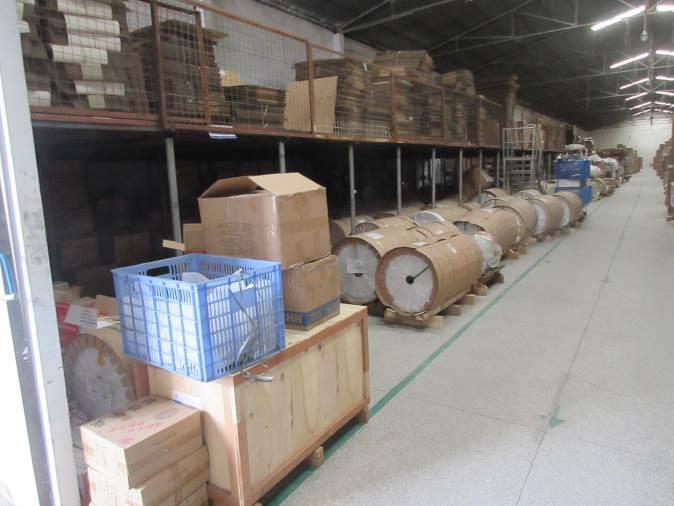
01 / WHEN TO USE IT
Can this supplier deliver?
- You are qualifying a new factory or supplier.
- A planned order may exceed the supplier’s apparent capacity.
- You need evidence behind quality-system or manufacturing claims.
Understand the service in detail
A supplier presentation shows what a company says it can do. A factory and supplier capability audit examines the operations, people, equipment and records supporting that claim. TTS reviews the areas agreed for your sourcing decision and compares documented information with observations during the visit. It can support supplier shortlisting, first-order planning or review of an existing supplier after capacity or quality concerns. Findings identify capabilities and gaps at the time of the assessment.
- 01Site identity→
- 02Observed production→
- 03Quality records→
- 04Capacity evidence
A scope guide; the actual methods and criteria are agreed for the project.
02 / A CLOSER LOOK
Verify the system behind the factory’s claims.
Open a checkpoint to see the evidence recorded and how it informs your decision.
01Identity and scope
Match the contracting supplier, factory address, observed processes and product range. Identify relevant outsourced operations.
A trading company profile or a certificate for another site does not establish the capability of the visited factory.
02Capacity and bottlenecks
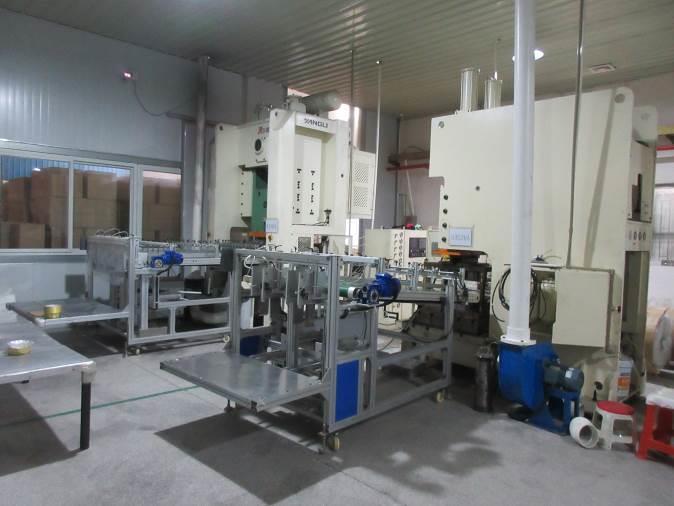
Compare machinery, shifts, staffing, relevant production records and current workload with the proposed order.
Nameplate capacity differs from capacity available for your product. Examine the slowest operation and any dependency on subcontractors.
03Quality control in practice
Follow incoming quality control (IQC), in-process quality control (IPQC) and final quality control (FQC), including measuring equipment and calibration records.
Check whether records identify the actual material, product, limit and action taken when a result is outside specification.
04Traceability and CAPA
Trace selected material or order references through production and review a nonconformity and corrective-action record.
A corrective and preventive action (CAPA) should address the cause and include evidence that the action works, rather than merely closing a form.
ILLUSTRATIVE EXAMPLE
A production line exists; is its capacity usable?
- !
The situation
A supplier outsources a critical coating process.
- ◎
What to record
Identify the subcontracted operation and its quality controls.
- ↗
The next decision
Review the evidence before relying on the claimed capability.
Read the full scenario
Illustrative example: a supplier shows several assembly lines, but a critical coating process is outsourced and no current subcontractor records are available. The report should identify that dependency and the missing evidence. Before placing the order, the buyer can request the subcontracting arrangement, capacity evidence and process controls, or scope an additional assessment of the relevant operation.
03 / STANDARDS & REQUIREMENTS
The rule.
The scope.
The evidence.
Applicability and editions are confirmed for your product, market and project date.
ISO 9001 / quality management system
Useful context for reviewing quality controls and records. A sourcing audit does not issue or renew an ISO 9001 certificate.
Official source & scopeISO 19011 / audit guidance
Provides an audit framework covering evidence, audit planning and competence. Agree the assessment scope and reporting criteria for this visit.
Official source & scope04 / THE WORKING PROCESS
From your brief
to your next step.
01Prepare the brief
Define the sourcing decision, product category, audit checklist and documents requested in advance.
02Start the work
Hold an opening discussion and confirm the site, operations and records available for review.
03Examine & record
Walk relevant production areas, speak with responsible staff and cross-check selected records against observations.
04Review & follow up
Summarise strengths and gaps, document evidence and discuss the points requiring follow-up.
Content guide; the agreed service determines the final deliverable.
05 / YOUR DELIVERABLE
A basis for
your next decision.
A capability assessment with strengths, gaps and supporting evidence.
How to use the result
Use the assessment to compare suppliers, define conditions before placing an order and prioritise improvements. An audit does not guarantee future product quality; connect important findings with an agreed action plan and subsequent product inspections.
06 / Discuss your project
What to send for a quotation
- Supplier identity, exact factory address and the products you plan to source.
- Expected order size, schedule and any important process requirements.
- Your audit checklist, previous findings or specific claims to verify.
Practical questions
Is an ISO 9001 certificate enough to approve a supplier?
It is one piece of evidence. Verify the certificate scope and site, then assess the product-specific capacity, processes and records relevant to your order.
Can an audit verify whether the supplier is a manufacturer or a trader?
The visit can compare legal and commercial information with observed operations. Record exactly which manufacturing activities are carried out at the visited site and which are performed elsewhere.
Can the audit follow our own supplier checklist?
Yes. Share it before quotation so TTS can review the evidence required, site access and time needed.