 TTS GLOBAL
TTS / SERVICE GUIDE
During Production Inspection in China (DUPRO)
Find recurring defects while there is still time to correct the process.
Request a quote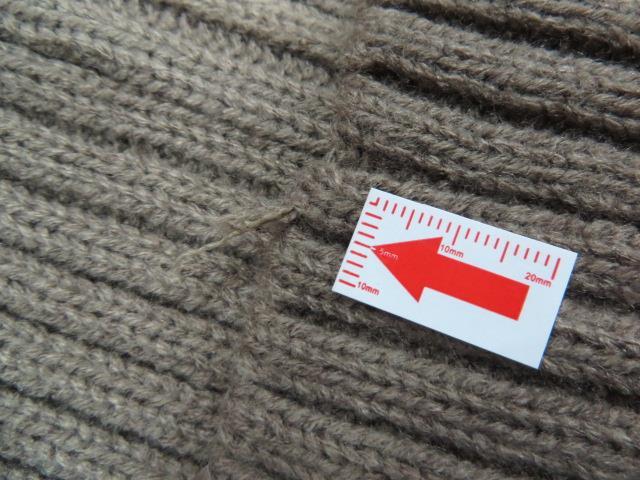
01 / WHEN TO USE IT
While production is running
- The order has a long or important production run.
- An earlier sample or batch revealed a recurring defect.
- You need visibility of quality and reported progress mid-order.
Understand the service in detail
A finished-order inspection may identify a problem after most of the order has already been made. During-production inspection moves part of that review earlier, when the supplier can still adjust the process. TTS examines available output and the agreed production checkpoints, compares observations with your requirements and records recurring issues. It can also revisit defects raised during an earlier inspection. The visit is a snapshot of the production stage available that day.
- 01Production status→
- 02Operation & defect pattern→
- 03Containment & correction→
- 04Targeted follow-up
A scope guide; the actual methods and criteria are agreed for the project.
02 / A CLOSER LOOK
Trace a recurring defect to the operation that creates it.
Open a checkpoint to see the evidence recorded and how it informs your decision.
01Real progress
Separate finished, packed, in-process, rework and rejected quantities. Compare observed progress with the production schedule.
A headline completion percentage can hide a shortage at a bottleneck operation or a large rework queue.
02Defect pattern
Identify the model, line, process stage and material batch associated with repeated workmanship or dimensional problems.
A pattern helps the factory target correction; a total defect count alone may not show where the problem starts.
03Process controls
Compare work instructions and in-process quality control (IPQC) records with what is happening at the relevant workstation.
A signed check sheet is not enough if the actual settings, reference sample or checking frequency differ.
04Containment and follow-up
Record how affected stock is isolated, what corrective action is proposed and which later output should be rechecked.
Keep the verification of a correction separate from the supplier’s promise to implement it.
ILLUSTRATIVE EXAMPLE
Repeated seam failures across one line.
- !
The situation
A seam defect repeats at one operation.
- ◎
What to record
Link findings to the model, process and affected stock.
- ↗
The next decision
Contain the issue, correct the operation and follow up.
Read the full scenario
Illustrative example: the same open seam appears on several pieces from one sewing operation. Record its location, affected styles and the available production traceability. The immediate action may include separating affected stock and correcting the operation; the next inspection should check both reworked goods and later output. Passing pieces from another line do not resolve this specific issue.
03 / STANDARDS & REQUIREMENTS
The rule.
The scope.
The evidence.
Applicability and editions are confirmed for your product, market and project date.
DUPRO / DPI / IPQC
These terms describe checks during production and in-process quality control. Define the exact product stage and accessible output in the brief.
Official source & scopeISO 2859-1
Where sampling is used, specify which completed or intermediate units form the inspected lot.
Official source & scope04 / THE WORKING PROCESS
From your brief
to your next step.
01Prepare the brief
Agree the visit timing against the factory schedule and the issues you most need to understand.
02Start the work
Confirm the available production stages, styles and quantities on arrival.
03Examine & record
Inspect samples, document repeated findings and review agreed earlier corrective actions.
04Review & follow up
Use the interim report to set corrective priorities and the next inspection stage.
Content guide; the agreed service determines the final deliverable.
05 / YOUR DELIVERABLE
A basis for
your next decision.
An interim quality picture and issues for factory follow-up.
How to use the result
The report supports intervention while production is still underway. It does not automatically release the completed order: a later pre-shipment inspection may be appropriate for finished goods and final packing.
06 / Discuss your project
What to send for a quotation
- Order specification, style breakdown and current production schedule.
- Previous inspection reports or photographs of known defects.
- Factory contact and the corrective actions you want verified.
Practical questions
At what production percentage should DUPRO take place?
Choose a point when the important processes and enough representative output are available, while correction is still practical. The right timing depends on lead time, product complexity and the risk being investigated.
How is this different from production monitoring?
A during-production inspection is an agreed visit. More frequent or continuous monitoring requires a separate schedule and scope.