 TTS GLOBAL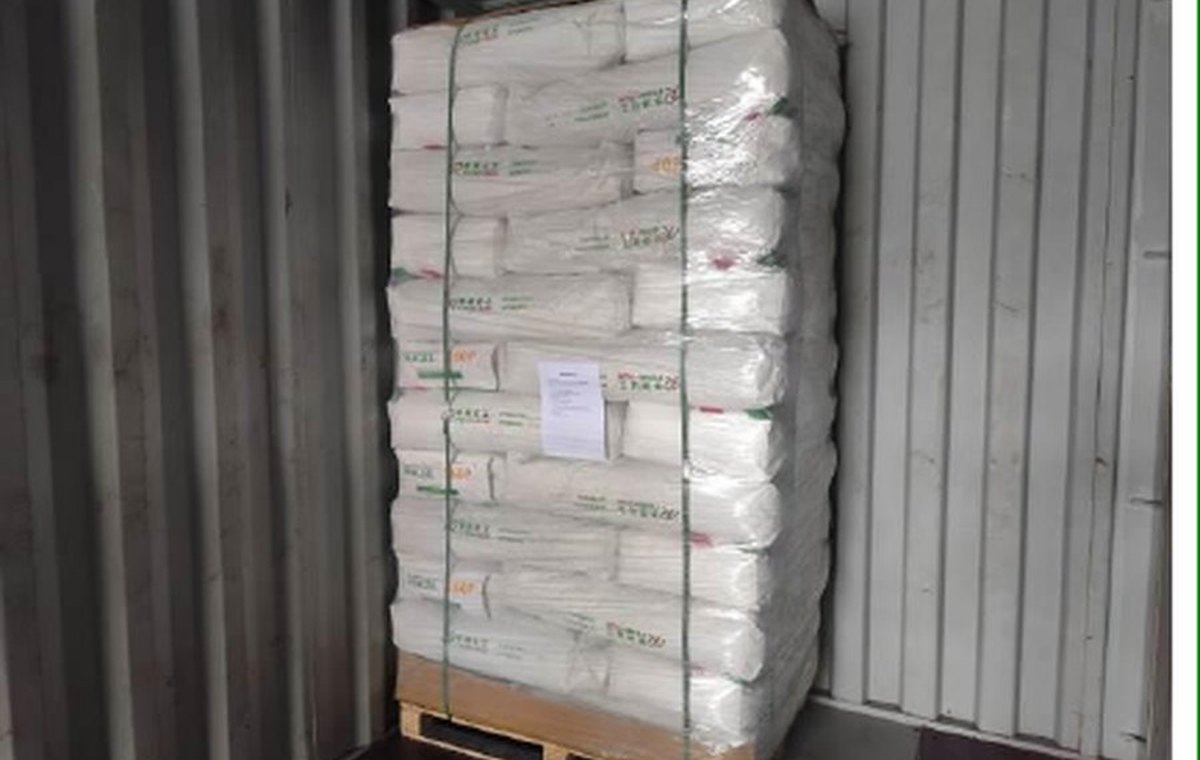
Connect the inspected order with the cargo actually loaded.
Correct goods can still be affected by the wrong assortment, a damaged container or unsuitable handling at dispatch. Loading and unloading supervision focuses on the transfer of the agreed shipment: the accessible container condition, package identification, quantities and handling observed during the operation. TTS records what was present and what occurred within the agreed supervision period. This creates useful evidence for a shipment handover and for discussing any discrepancy with the supplier or logistics team.
What to check in the evidence
Before loading
Record container identity, accessible interior condition, cleanliness, visible damage and the goods presented for loading.
Why it matters
Raise unsuitable container conditions before goods obscure the surfaces or loading begins.
During loading
Track carton or pallet counts by item reference and compare shipping marks with the agreed packing list. Record substitutions and inaccessible counts.
Why it matters
An overall carton total can match while the assortment is wrong; identify shortages and overages by item.
Stowage and handling
Observe the agreed loading arrangement, visible handling damage, protection and securing measures within the monitoring scope.
Why it matters
Loading observations do not replace an engineered securing design, dangerous-goods assessment or the packer’s responsibilities.
Closure and records
Photograph the completed load, closure and observed seal identification. Record timing and any gap in the supervision.
Why it matters
The report should distinguish what was directly witnessed from information supplied by others.
An illustrative scenario
The total is correct, but the assortment is not.
Illustrative example: the loading list calls for two product references. The overall carton count matches, but one reference has extra cartons and the other is short. Separate counts and photographs of shipping marks reveal the mismatch. The buyer can seek correction before closure; a photograph of a sealed container alone would not explain the assortment problem.
Prepare these before the next step
- Packing list, item quantities and shipping marks.
- Container plan, operation location and logistics contact.
- Expected start time and any handling or securing instructions.
Use the recorded observations to resolve handover differences and follow up handling concerns. Supervision of visible loading does not establish the internal quality of every packed unit and does not replace product inspection or transport insurance.
Sources & further reading
- CTU Code ↗
A reference for packing and securing cargo transport units. Confirm the loading plan and responsibilities for the actual cargo and route.
- ISO 17712 ↗
Covers mechanical freight-container seals. Recording a seal number does not itself verify that a seal is certified to this standard.
Confirm product-specific scope and the applicable edition with TTS before making a compliance decision.