01
Identify the material
For chemical questions, agree the substances, material variants and methods. RoHS, REACH and a buyer’s own specification can call for different scopes.
Explore the scope & process ↗ TTS GLOBAL
TTS / Testing
Define a product-specific test plan for RoHS, REACH, CPSIA, material performance or packaging. Connect the market requirement with the sample, method and report you need.
From your material.
To a measured result.
THE SERVICE IN PRACTICE
Product, material and destination determine the testing brief. TTS helps define what must be measured, which samples represent the question and what evidence the buyer needs.
For chemical questions, agree the substances, material variants and methods. RoHS, REACH and a buyer’s own specification can call for different scopes.
Explore the scope & process ↗
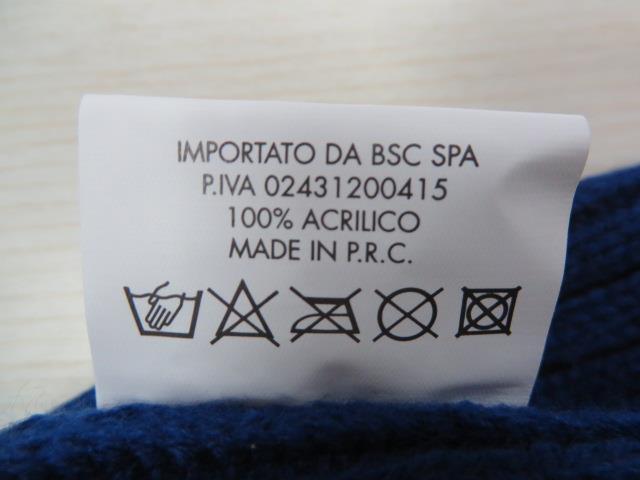
A quick fabric check on site can flag a concern. A laboratory performance test uses an agreed method and conditions; confirm which evidence your buyer requires.
Explore the scope & process ↗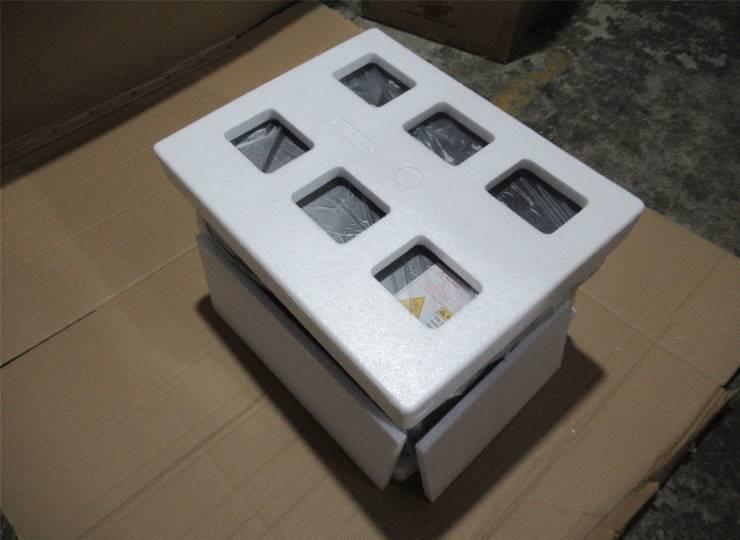
Assess the packed product against a selected distribution scenario. Define the route, protocol and damage criteria before preparing samples.
Explore the scope & process ↗01 / Service programmes
Six starting points. The final scope is confirmed for your project.
Identify the restricted-substance checks relevant to your components and materials.
A test report identifying the samples, agreed methods and measured results.
Build a chemical test scope around your product and material composition.
Results for the agreed substance scope, with sample identification.
Plan relevant chemical and safety checks using the product’s intended age and use.
Product-specific test evidence for your compliance documentation.
Investigate selected substances in raw materials and finished goods.
Analytical results linked to the submitted materials and agreed test methods.
Turn product specifications and intended use into a focused test plan.
Results against the selected product requirements and methods.
Assess the packaged product against the agreed distribution-test programme.
Recorded packaging and product condition after the agreed test sequence.
REQUIREMENTS & EVIDENCE
Explore the standard’s scope, the records needed and the questions to resolve before booking.
The EU framework for restricted substances in covered electrical and electronic equipment. Product scope and exemptions are reviewed before testing.
Restriction entries include conditions for particular substances, mixtures, articles or uses. Select applicable entries in the testing brief.
For toys, identify the applicable requirements of the CPSC-accepted toy-safety standard rather than applying every clause to every product.
How it works
Illustrative deliverable layout · the agreed scope determines the final content.
03 / What you receive
A structured record of the agreed work, with the detail needed for your next decision.
The test deliverables agreed in your quotation. The applicable laboratory, method and any accreditation requirements are confirmed for the project.
Ready to define the scope?
Product description, model or material, intended use, target market and any buyer testing specification.
Request a quoteStart with the product and its intended use. TTS can discuss the relevant testing requirements, sample information and route before you commit to a testing programme.
The scope depends on the product, intended use and sales market. Send the product details and any buyer requirements so that the scope can be assessed.
Sample requirements depend on the agreed methods. Confirm the testing plan with TTS before sending samples.
Requirements vary by product and destination. The scope and suitability of existing reports need to be checked for the intended market.