 TTS GLOBAL
TTS / SERVICE GUIDE
ISTA Packaging Testing & Transport Simulation
Assess the packaged product against the agreed distribution-test programme.
Request a quote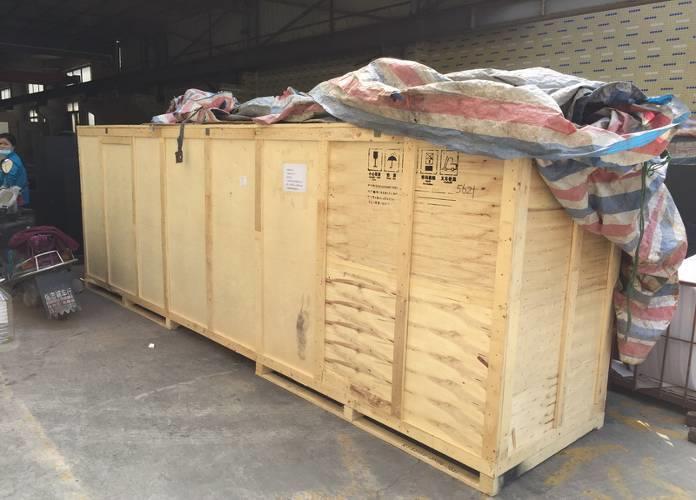
01 / WHEN TO USE IT
Protect the product in transit
- You are introducing a new product or packaging design.
- A retailer or logistics partner requests a distribution test.
- Transport damage suggests the package needs improvement.
Understand the service in detail
Packaging testing considers the product and its packaging as a system. A box may look strong while the product inside remains vulnerable to movement, impact or stacking loads. TTS helps define a test programme around package size and weight, product fragility and the intended distribution route. The selected protocol determines the sequence and conditions; there is no single drop or vibration routine suitable for every shipment. Agreeing damage and performance criteria before testing makes the result more useful for packaging design decisions.
- 01Complete shipping unit→
- 02Route & test protocol→
- 03Selected test sequence→
- 04Product & package assessment
A scope guide; the actual methods and criteria are agreed for the project.
02 / A CLOSER LOOK
Choose the distribution scenario before the test sequence.
Open a checkpoint to see the evidence recorded and how it informs your decision.
01Shipment configuration
Define single parcel, case or unitised load, dimensions, gross weight, packing materials and closure method.
Changing the inner protection, carton or pallet arrangement creates a different tested configuration.
02Distribution hazards
Identify the delivery route, handling mode and buyer-specified protocol. Confirm which shocks, vibration, compression or conditioning elements apply.
A parcel programme should not be assumed suitable for every palletised or freight shipment.
03Acceptance criteria
Define acceptable packaging damage and required product function, appearance and safety after the sequence.
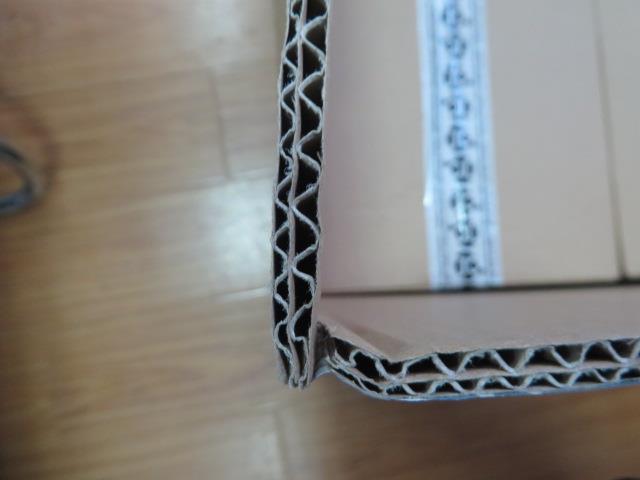
An undamaged outer carton can conceal product failure; cosmetic carton damage may have a different significance from product damage.
04Sequence and evidence
Record sample identity, the agreed test order, conditions, observations and after-test product examination.
Opening or modifying a pack between stages can change the evidence. Any deviation should remain visible in the report.
ILLUSTRATIVE EXAMPLE
The box survives; the product does not.
- !
The situation
The carton looks intact but the product is damaged.
- ◎
What to record
Inspect the product, function and internal cushioning.
- ↗
The next decision
Revise the pack and verify the relevant programme.
Read the full scenario
Illustrative example: the outer carton looks serviceable after the sequence, but a product support has shifted and the item no longer functions. Record the inner packaging movement, product damage and functional result. The packaging decision should address the product-protection failure, rather than relying only on the appearance of the carton.
03 / STANDARDS & REQUIREMENTS
The rule.
The scope.
The evidence.
Applicability and editions are confirmed for your product, market and project date.
ISTA distribution-test programmes
Select the programme for the actual package and distribution route; protocol selection, sample needs and laboratory capability are confirmed before testing.
Official source & scopeASTM D4169
A framework for laboratory evaluation of shipping units against distribution hazards. Discuss it when specified by the buyer; it is not interchangeable with every ISTA programme.
Official source & scope04 / THE WORKING PROCESS
From your brief
to your next step.
01Prepare the brief
Share the packaged-product dimensions, weight, route and any buyer-specified protocol.
02Start the work
Agree the test programme, sample condition, damage criteria and required laboratory capability.
03Examine & record
Submit complete packed samples representing the proposed shipping configuration.
04Review & follow up
Review the recorded condition after testing and use findings to improve or confirm the packaging design.
Content guide; the agreed service determines the final deliverable.
05 / YOUR DELIVERABLE
A basis for
your next decision.
Recorded packaging and product condition after the agreed test sequence.
How to use the result
The results help identify weaknesses in the tested configuration and guide packaging changes. A factory carton-drop check is a different scope from a laboratory distribution programme; confirm the service that matches your buyer’s requirement.
06 / Discuss your project
What to send for a quotation
- Complete package dimensions, gross weight and product description.
- Distribution route, handling mode and requested protocol if known.
- Packed samples, packing specification and damage/functional acceptance criteria.
Practical questions
Is an on-site carton-drop check an ISTA test report?
No. A factory check may cover one agreed handling question. An ISTA programme requires the selected protocol, test sequence, conditions and suitable laboratory capability.
Can a simple carton-drop check replace an ISTA programme?
Only the buyer’s agreed requirement determines the acceptable evidence. A single on-site check does not represent a complete multi-step laboratory programme.