01
Follow the production route
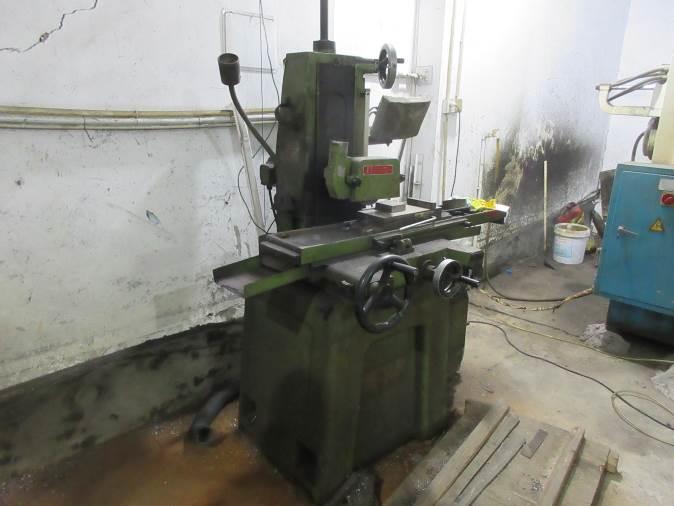
Review facilities, equipment, staffing and process controls. Compare the observed operation with the products and order capacity under discussion.
Explore the scope & process ↗ TTS GLOBAL
TTS / Audit
Verify supplier capability, quality controls, social compliance, food-safety practices or building concerns. Choose the audit criteria around the sourcing risk you need to resolve.
Know the factory.
Before you commit.
THE SERVICE IN PRACTICE
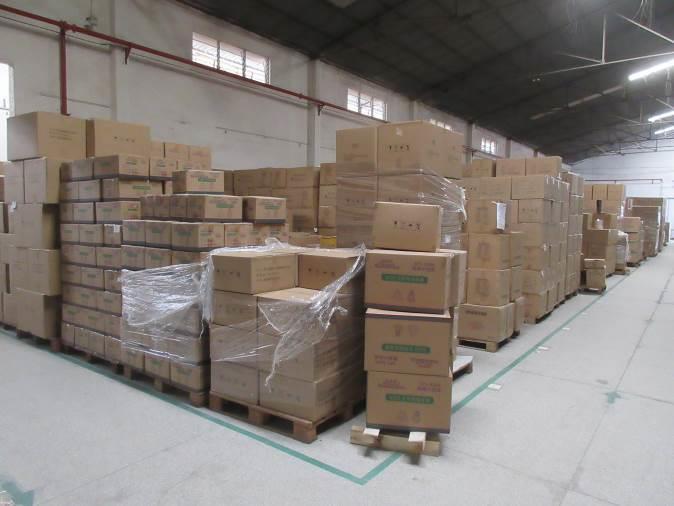
An audit combines observation, discussion and selected records. The focus changes with your buying question: production capability, working conditions, food operations or building risks.
Review facilities, equipment, staffing and process controls. Compare the observed operation with the products and order capacity under discussion.
Explore the scope & process ↗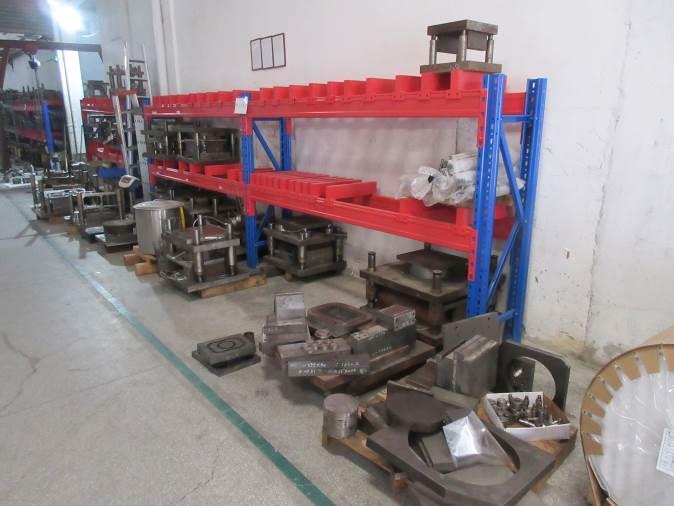
Compare tooling, equipment and storage with the claimed production route. Missing identification or dependence on outside processes becomes a question to verify, not an assumption of capacity.
Explore the scope & process ↗01 / Service programmes
Choose the assessment around your sourcing risk.
Look beyond a supplier profile to the people, equipment and processes behind it.
A capability assessment with strengths, gaps and supporting evidence.
Combine worker interviews, records and workplace observations.
Documented findings with relevant photographs and areas for corrective action.
Review hygiene, cold-chain handling and food-safety controls.
Observed control gaps and priorities for improving the selected food-safety process.
Plan a focused review of electrical, fire and structural safety.
Recorded site observations and issues requiring further assessment or action.
REQUIREMENTS & EVIDENCE
Explore the standard’s scope, the records needed and the questions to resolve before booking.
Useful context for reviewing quality controls and records. A sourcing audit does not issue or renew an ISO 9001 certificate.
A named social-audit methodology. Official SMETA audits must be delivered by a Sedex-approved Affiliate Audit Company; confirm the requested route and provider.
Connect hazard analysis with the process and its control measures; use Good Hygiene Practices (GHP) as the underlying operational foundation.
How it works
Illustrative deliverable layout · the agreed scope determines the final content.
03 / What you receive
A structured record of the agreed work, with the detail needed for your next decision.
An assessment of the agreed areas, supporting observations and findings to discuss with your supplier.
Ready to define the scope?
Factory country and city, company details, products and the purpose of your assessment.
Request a quoteA factory audit helps procurement and quality teams assess a supplier before or during a business relationship. Agree the audit purpose first so that the visit addresses the questions that matter to your sourcing decision.
An audit focuses on the supplier and its systems. Product inspection checks a particular order or production lot. The two services can be planned together.
Share your checklist and the purpose of the audit. TTS will confirm whether the requested scope can be delivered.
An audit records the assessment at the time of the visit. Ongoing quality management and order-specific checks may still be needed.