 TTS GLOBAL
TTS / SERVICE GUIDE
Social Compliance Audit: Labour Conditions & Buyer Codes
Combine worker interviews, records and workplace observations.
Request a quote
01 / WHEN TO USE IT
How are people treated?
- A buyer requires visibility of supplier workplace conditions.
- Your supplier code of conduct needs independent assessment.
- An earlier audit identified issues requiring follow-up.
Understand the service in detail
Social compliance auditing examines workplace practices against an agreed buyer code and assessment criteria. A policy on paper is only one part of the picture. TTS combines relevant records, workplace observations and confidential worker interviews to look for consistency between stated practices and available evidence. The original service covers labour conditions, working hours, pay and benefits, health and safety and related environmental practices. The exact scope and any buyer-specific programme must be agreed before the audit.
- 01Workplace observation→
- 02Employment records→
- 03Worker interviews→
- 04Corrective-action evidence
A scope guide; the actual methods and criteria are agreed for the project.
02 / A CLOSER LOOK
Cross-check records, interviews and the actual workplace.
Open a checkpoint to see the evidence recorded and how it informs your decision.
01Employment practices
Review the agreed evidence for recruitment, age verification, employment arrangements and grievance channels.
The process should identify information gaps without exposing workers’ identities unnecessarily in buyer-facing material.
02Hours and remuneration
Compare selected attendance, overtime and payroll records, considering the sample period and relevant local requirements.
One quiet month may not represent peak-season practices. Inconsistent records need explanation and corroboration.
03Worker health and safety
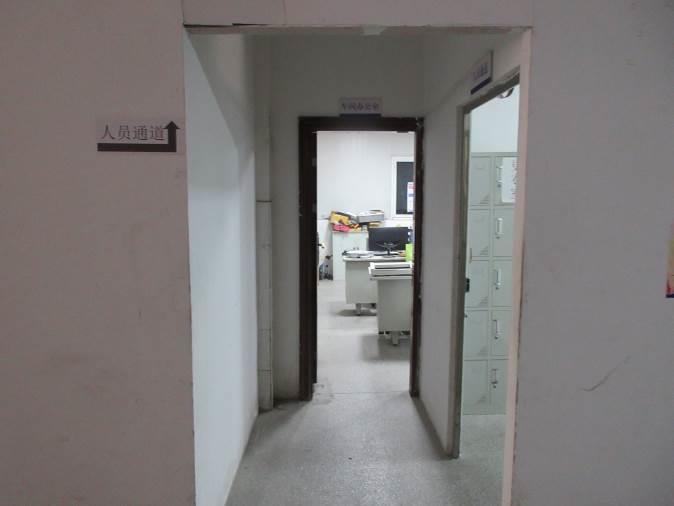
Observe access routes, emergency arrangements, machine protection and relevant worker facilities within the agreed checklist.
A written safety policy is different from a clear exit, an operating safeguard or evidence of staff training.
04Corrective-action follow-up
Separate the finding, supporting evidence, responsible person, planned action and verification status.
Document review may close some evidence gaps; a physical workplace change may require another site observation.
ILLUSTRATIVE EXAMPLE
A policy is present, but the evidence is inconsistent.
- !
The situation
Production and attendance records do not align.
- ◎
What to record
Compare the same period and relevant interview evidence.
- ↗
The next decision
Resolve the inconsistency and track corrective action.
Read the full scenario
Illustrative example: a factory presents a working-hours policy, but selected production and attendance records do not align. The audit finding should describe the discrepancy and the period reviewed, then seek additional evidence through the agreed confidential process. It should not turn an unexplained discrepancy into an unsupported allegation about every worker or every month.
03 / STANDARDS & REQUIREMENTS
The rule.
The scope.
The evidence.
Applicability and editions are confirmed for your product, market and project date.
Sedex SMETA
A named social-audit methodology. Official SMETA audits must be delivered by a Sedex-approved Affiliate Audit Company; confirm the requested route and provider.
Official source & scopeamfori BSCI
A buyer-led monitoring programme. The responsible member’s request and the programme’s approved arrangements must be established before booking.
Official source & scopeSA8000
A social-accountability certification standard. Discuss whether the buyer wants certification, a gap assessment or a general supplier social audit.
Official source & scope04 / THE WORKING PROCESS
From your brief
to your next step.
01Prepare the brief
Agree the buyer code, audit approach, confidentiality arrangements and required records.
02Start the work
Review the site and relevant management information with responsible personnel.
03Examine & record
Conduct agreed interviews and observations, and compare them with selected employment and operational records.
04Review & follow up
Document findings and evidence, then identify corrective-action and verification needs.
Content guide; the agreed service determines the final deliverable.
05 / YOUR DELIVERABLE
A basis for
your next decision.
Documented findings with relevant photographs and areas for corrective action.
How to use the result
The report helps sourcing and compliance teams identify workplace risks and agree corrective actions. A buyer-specific recognition, platform upload or certification should not be assumed from a general social compliance audit; request those requirements explicitly.
06 / Discuss your project
What to send for a quotation
- Buyer code of conduct or requested assessment criteria.
- Site profile, workforce information and working arrangements.
- Earlier audit findings and any named programme requested by the buyer.
Practical questions
Is a general social audit the same as an official SMETA or BSCI audit?
No. A buyer-specific audit can address similar topics, but official programme requirements, authorised providers and platform processes must be confirmed separately.
Are worker interviews part of the service?
Confidential interviews are part of the original audit approach. The interview arrangements and access are agreed for the project.