 TTS GLOBAL
TTS / SERVICE GUIDE
Consumer Product Testing: Textile & Household Performance
Turn product specifications and intended use into a focused test plan.
Request a quote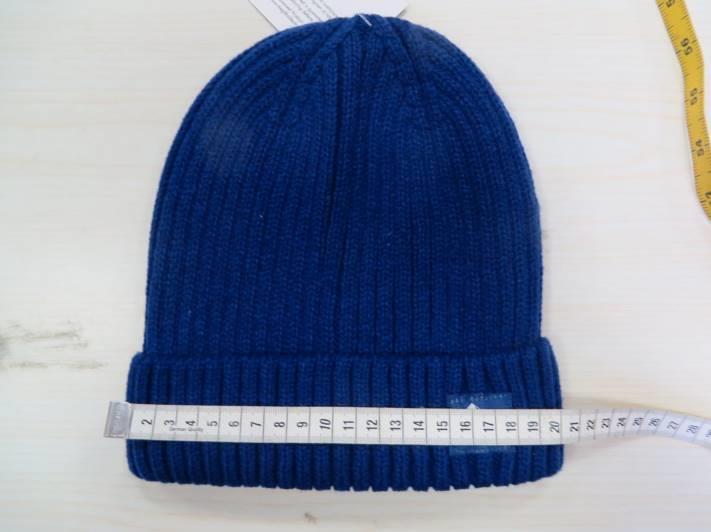
01 / WHEN TO USE IT
From textiles to home products
- You are selecting or approving a product before a bulk order.
- A buyer needs evidence against a performance specification.
- A complaint suggests a material, durability or functional issue.
Understand the service in detail
Product testing helps convert a design brief or purchase specification into measurable evidence. For textiles, household goods and other consumer products, the relevant questions can include dimensions, material properties, durability, performance and selected safety requirements. TTS reviews the product category and intended use before proposing the test scope. A sample approved for appearance may still need performance testing; similarly, a laboratory result should be linked to the exact sample, method and conditions rather than treated as a general promise about every product in a shipment.
- 01Specification & end use→
- 02Agreed test conditions→
- 03Measured performance→
- 04Acceptance criteria
A scope guide; the actual methods and criteria are agreed for the project.
02 / A CLOSER LOOK
Connect a performance claim with a repeatable method.
Open a checkpoint to see the evidence recorded and how it informs your decision.
01Textile colour performance
Define the relevant colour-fastness question, such as rubbing, and the sample direction, conditioning and assessment method.
A quick hand-rub check can flag a concern; it does not automatically reproduce a standardised laboratory procedure.
02Washing and dimensional behaviour
Specify the wash/dry conditions, measurement points and acceptance criteria for the intended care claim.
A shrinkage result without washing and drying conditions cannot be compared reliably with a buyer’s requirement.
03Function and durability
For household goods, define use conditions, load, cycles, assembly and the observed failure criteria appropriate to the product.
“Durable” becomes assessable only when the method and the performance target are stated.
04Safety and performance boundaries
Separate selected physical performance tests from applicable chemical, electrical or product-safety requirements.
A favourable durability result is not a complete safety assessment or market-access approval.
ILLUSTRATIVE EXAMPLE
Two shrinkage results may describe different tests.
- !
The situation
The drying method differs from the agreed condition.
- ◎
What to record
Record the procedure, specimen and measurement points.
- ↗
The next decision
Assess the product under the intended conditions.
Read the full scenario
Illustrative example: a supplier report uses line drying, while the buyer’s specification requires tumble drying. Compare the full procedures before judging the results equivalent. The test brief should connect the care instruction, wash/dry sequence and dimensional acceptance criteria so the result answers the product claim being made.
03 / STANDARDS & REQUIREMENTS
The rule.
The scope.
The evidence.
Applicability and editions are confirmed for your product, market and project date.
ISO 105-X12 / colour fastness to rubbing
A textile rubbing-fastness method. Agree wet/dry conditions and the acceptance grade required by the buyer.
Official source & scopeISO 6330 / washing and drying
Defines procedures used in textile testing. The chosen wash and dry combination must be stated when evaluating dimensional change.
Official source & scope04 / THE WORKING PROCESS
From your brief
to your next step.
01Prepare the brief
Describe the product and share its specification, intended use and relevant complaint history.
02Start the work
Agree the test methods, acceptance criteria, sample quantities and laboratory scope.
03Examine & record
Send representative, identified samples and any required accessories or instructions.
04Review & follow up
Review results against the brief and use findings to refine the product or supplier requirements.
Content guide; the agreed service determines the final deliverable.
05 / YOUR DELIVERABLE
A basis for
your next decision.
Results against the selected product requirements and methods.
How to use the result
Results support product approval, design improvement and supplier discussions. For a bulk shipment, combine sample testing with an appropriate inspection plan when you also need evidence about workmanship, quantity or packing.
06 / Discuss your project
What to send for a quotation
- Product specification, model and intended use.
- Buyer standards, performance targets or the issue to investigate.
- Samples, operating instructions and relevant accessories.
Practical questions
Can product inspection replace textile performance testing?
Inspection records the goods and feasible on-site checks at a particular stage. Standardised colour-fastness, washing or other laboratory tests require their own methods and sample conditions.
How is testing different from an inspection?
Testing evaluates selected samples under agreed methods. An inspection examines available goods against the agreed shipment or production checklist. The two can address different parts of the same order.